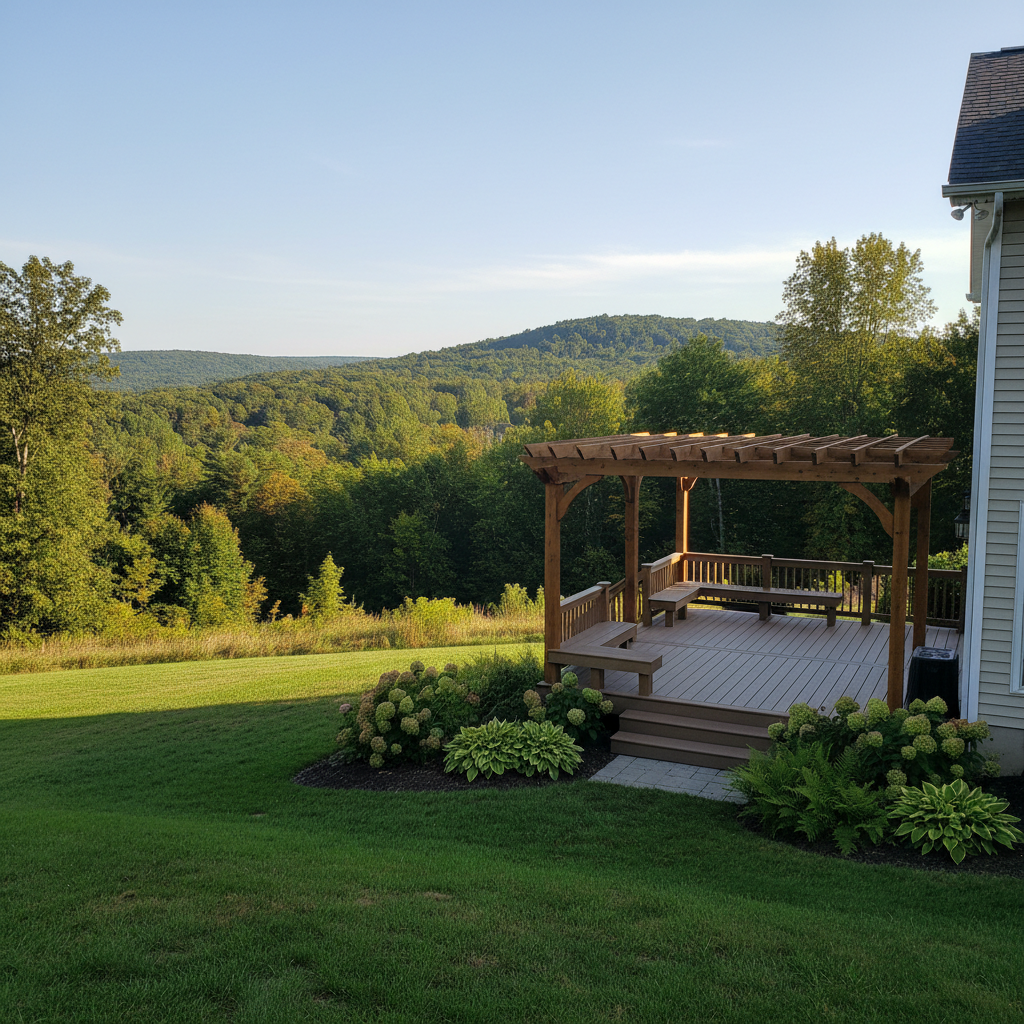
So, you're dreaming of a pergola. Maybe you want a shady spot for your morning coffee, or an outdoor dining area that feels a bit more defined. Whatever your reason, a pergola can be a fantastic addition to your Pleasant Valley property. But before you jump in, there's a few things you should know to make sure your project goes smoothly. I've been doing this a long time, and I've seen it all, so let's talk about what to expect.
Timeline: How Long Does This Really Take?
People often underestimate the time it takes to get a pergola built, and that's not just the construction part. From your initial idea to enjoying that first shaded drink, you're looking at a few months, typically. Here's a rough breakdown:
- Initial Planning & Research (2-4 weeks): This is where you figure out what you want, what style, what materials. You're looking at pictures, maybe getting some ideas from neighbors' yards.
- Getting Quotes & Contractor Selection (2-4 weeks): You'll reach out to a few local contractors, get them to come out, discuss your vision, and get estimates. Don't rush this part. Make sure you're comparing apples to apples.
- Permits (4-8 weeks, sometimes more): This is often the biggest bottleneck. Depending on the size and location of your pergola, you'll likely need a building permit from the Town of Pleasant Valley. They'll want drawings, site plans, and sometimes even engineering specifics. It takes time for them to review and approve. Don't skip this; it'll save you headaches down the road.
- Material Ordering & Delivery (2-6 weeks): Once plans are approved and you've signed with a contractor, materials need to be ordered. Specialized lumber, specific hardware, or custom components can have lead times.
- Construction (1-3 weeks): This is the actual build time. Once everything is on site and permits are in hand, a good crew can get a standard pergola up pretty quickly. Larger, more complex designs will take longer, of course.
So, if you're thinking of having a pergola ready for summer, you really need to start planning in late winter or early spring. Waiting until May means you might not be enjoying it until August or September.
What to Expect During the Process
Once you've picked your contractor and the project is underway, here's what you can generally expect:
- Site Preparation: The crew will come in, mark out the area, and get the ground ready. This might involve some minor excavation, leveling, or clearing. If you've got a lot of rocky soil, like we often do around here in the Hudson Valley, that can add a bit of time to the foundation work.
- Foundation Work: Pergolas need a solid base. This usually means digging footings and pouring concrete piers to support the posts. This is crucial for stability, especially with our strong winter winds.
- Framing: The main structure goes up next – posts, beams, and rafters. You'll start to see your pergola take shape.
- Finishing Touches: This includes any decorative elements, lattice work, staining, or sealing.
- Site Cleanup: A good contractor will clean up the work area daily and do a thorough cleanup at the end of the project, leaving your yard tidy.
How to Prepare Your Home and Yard
You can help make the process smoother for everyone. Before the crew arrives:
- Clear the Area: Move any outdoor furniture, planters, grills, or other items away from the construction zone.
- Identify Utilities: If you have any underground sprinkler lines, invisible dog fences, or other buried utilities in the project area, point them out to your contractor. Even better, call 811 before digging starts.
- Access: Make sure there's clear access for workers and materials. If they need to bring in large pieces of lumber, think about the path from the driveway to the backyard.
- Pets & Kids: Keep pets and children away from the construction site. It's an active work zone with tools and potential hazards.
Questions to Ask Before Signing a Contract
This is where you protect yourself and ensure you're getting what you pay for. Don't be afraid to ask these questions:
- Are you licensed and insured? This is non-negotiable. Ask for proof.
- Can you provide references? Talk to past clients. Ask about their experience with communication, timeliness, and quality of work.
- What's included in the price? Get a detailed breakdown. Does it include materials, labor, permits, and cleanup? Are there any allowances for unexpected issues?
- What's the payment schedule? A reputable contractor won't ask for a huge upfront payment. Typically, it's a deposit, progress payments, and a final payment upon completion and your satisfaction.
- Who will be doing the work? Is it your crew, or do you subcontract? If they subcontract, are those subs also licensed and insured?
- What's your warranty on labor and materials? Understand what's covered and for how long. At Mighty Deck Solutions, we stand by our work.
- How do you handle change orders? If you decide to change something mid-project, how will that be documented and priced?
- What's the estimated start and completion date? Get this in writing, but also understand that weather or material delays can happen.
Asking these questions upfront will help you choose the right contractor and avoid misunderstandings down the line. A good contractor will welcome these questions because it shows you're engaged and serious about your project. Building a pergola should be an exciting experience, and with the right planning, it definitely will be.