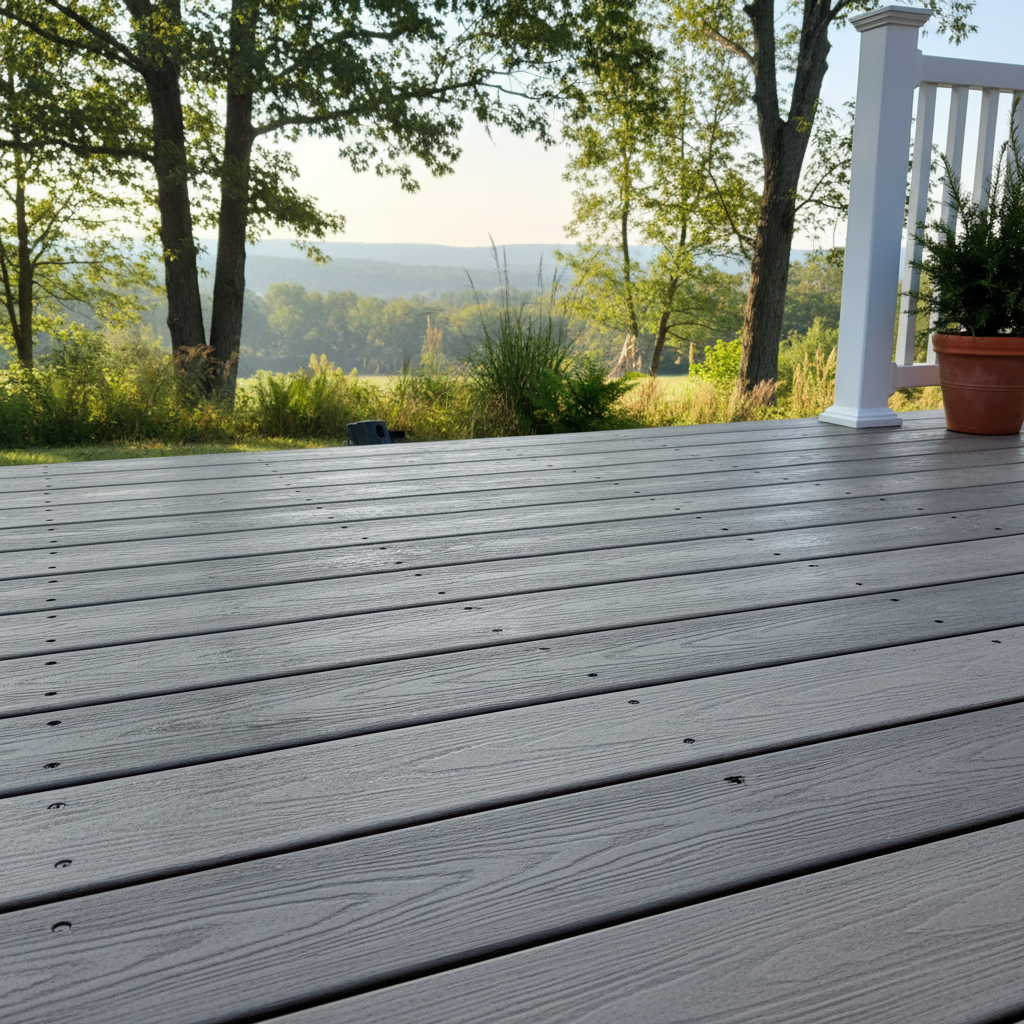
What exactly is a Trex deck, anyway? Is it just plastic?
Good question, and one I hear a lot. A Trex deck isn't just plastic, though plastic is definitely a big part of it. Trex is a brand of composite decking, and what that means is it's made from a blend of recycled wood fibers and recycled plastic film. Think sawdust and grocery bags, all mixed together, heated up, and then extruded into deck boards. They've been doing this for a long time, and the technology has gotten really good. It's designed to give you the look of wood without all the headaches that come with maintaining a traditional wood deck.
How much does a Trex deck cost compared to wood?
This is usually the first thing folks ask, and it's a fair one. Upfront, a Trex deck will almost always cost more than a pressure-treated wood deck. You're looking at roughly 1.5 to 2 times the material cost for Trex compared to standard lumber. For a typical 12x16 foot deck, you might be talking an extra few thousand dollars on the material side alone. However, that's just the initial sticker price. When you factor in the yearly sanding, staining, or painting that a wood deck needs – and the cost of those materials and your time – Trex often breaks even or even saves you money over its lifespan. It's an investment, for sure, but one that pays off in reduced maintenance and longevity.
Does Trex get hotter than wood in the summer sun?
Yep, generally it does. This is a common complaint, and it's true. Darker colors of Trex, especially, can get pretty warm under the hot Pleasant Valley sun. I've had clients tell me they can barely walk on it barefoot on a really scorching August afternoon. Lighter colors tend to absorb less heat, so if you're concerned about it, that's something to consider. It's not usually a deal-breaker for most people, but it's definitely something to be aware of, especially if you have kids or pets who'll be spending a lot of time on the deck.
What kind of maintenance does a Trex deck actually need?
This is where Trex really shines. The biggest selling point is low maintenance, and it delivers. You won't be sanding, staining, or sealing it ever. For most people, a good cleaning once or twice a year with a hose and a soft-bristle brush, maybe some mild soap, is all it needs. You want to get rid of any dirt, pollen, or mildew that might accumulate. We get a fair amount of pollen here in the spring, especially around the older homes with mature trees in areas like Salt Point, so a spring cleaning is pretty standard. Just make sure you're not using a high-pressure washer too close or with too much force, as that can damage the surface. Mighty Deck Solutions can handle that annual cleaning if you'd rather not do it yourself.
Will a Trex deck fade or scratch easily?
Trex has come a long way in terms of fade resistance. The newer generations, especially their 'capped' composites (which have a protective shell around the core), are very resistant to fading. You might see some minor initial fading in the first few months as it weathers, but after that, it should hold its color really well for years. As for scratches, yes, it can scratch. It's not impervious. Moving heavy furniture, dragging sharp objects, or even pet claws can leave marks. They're often less noticeable than on wood, but they can happen. It's a good idea to use felt pads under furniture legs, just like you would indoors.
How long do Trex decks really last?
Trex offers a 25-year limited residential warranty on most of their products, covering things like material defects, fading, and staining. In my experience, if it's installed correctly and reasonably maintained, you can expect a Trex deck to last well beyond that. It's designed to resist rot, insect damage, and splintering – all the things that typically shorten the life of a wood deck. You're essentially building something that should be good for decades without needing major repairs or replacement, which is a huge benefit.
Can I build a Trex deck myself, or do I need a pro?
You definitely can build a Trex deck yourself if you're handy and have experience with deck construction. The installation process is similar to wood decking in many ways, but there are specific techniques and fasteners for composite materials you need to be aware of. Things like proper gapping for expansion and contraction, using the right hidden fasteners, and ensuring adequate ventilation underneath are crucial. If you're not confident in your carpentry skills, or if it's a complex design, I'd strongly recommend hiring a professional. Getting it right the first time avoids headaches and costly fixes down the road. We've certainly fixed our share of DIY attempts that went sideways.