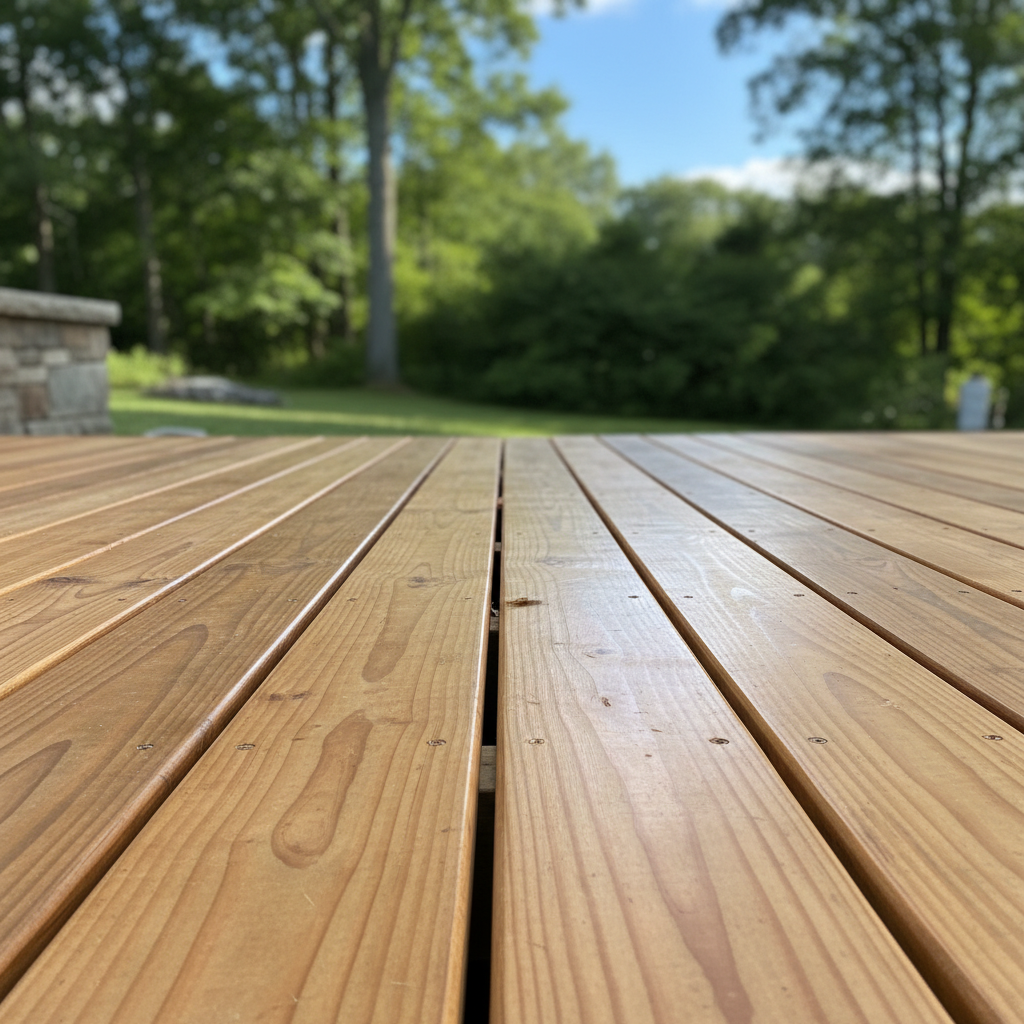
Before You Start: Planning Your Deck Project
So, you're thinking about a new deck or maybe giving your old one a facelift. Good for you! A well-built wooden deck adds a ton of enjoyment and value to your home. But before you even think about buying lumber, there are a few things you absolutely need to nail down.
First off, what do you want it for? Is it a small grilling spot, a big entertaining area, or just a quiet place to read? This dictates size, shape, and even the type of wood you'll consider. Then there's your budget. Be realistic. Wood prices have been a bit wild lately, and labor isn't free. Don't forget to factor in things like railings, stairs, and maybe even some built-in seating.
Next, and this is crucial, you need to understand local zoning and building codes. Here in Pleasant Valley, especially with some of the older homes near the Wappingers Creek, setbacks can be tight, and you'll definitely need a permit for any new construction or significant alteration. Don't skip this step. Trust me, it's a headache you don't want. A good contractor, like us at Mighty Deck Solutions, will handle the permit process for you, but if you're going DIY, it's all on you. You'll need to submit plans, and they'll want to see things like footing depths and structural details. Speaking of footings, our freeze-thaw cycles here mean you need proper depth to avoid frost heave, which can really mess up a deck over time.
As for materials, you've got choices. Pressure-treated pine is common and affordable, but it needs regular maintenance. Cedar and redwood look great and are naturally rot-resistant, but they cost more. Then there are hardwoods like Ipe, which are incredibly durable but pricier still. Composite decking is another option, low maintenance but often more expensive upfront. Think about what you're willing to spend and how much work you want to put into upkeep.
During the Build: DIY vs. Calling a Pro
Alright, plans are approved, materials are picked. Now for the fun part – or the headache, depending on your skill level. What can you realistically do yourself?
- Demolition: If you're replacing an old deck, tearing it down is usually pretty straightforward. Just be careful with nails and make sure you're not accidentally taking down a load-bearing part of your house (unlikely, but you get my drift).
- Staining/Painting: This is definitely a DIY job. Prep work is key – cleaning, sanding, making sure the wood is dry. Then it's just elbow grease.
- Minor Repairs: Replacing a single rotten board, tightening a loose railing post, or fixing a wobbly step? Most homeowners can tackle these with basic tools and a little know-how.
But when should you call in a professional? Pretty much anything structural. Designing the frame, digging and pouring footings, attaching the ledger board to your house (this is critical for safety!), and ensuring everything is square, level, and up to code. These are jobs for experienced hands. A mistake here isn't just cosmetic; it can be dangerous. We've seen decks that were built improperly, and it's not a pretty sight. It's not just about getting the job done, it's about getting it done right and safely. If you're building a new deck from scratch, especially anything elevated or complex, I strongly recommend hiring a reputable contractor. It'll save you time, stress, and potentially costly mistakes down the road.
After It's Built: Keeping Your Deck Looking Good
So your deck is done, and it looks fantastic. Now what? Maintenance, my friend. This is where you protect your investment and keep it looking great for years.
- Cleaning: A good cleaning once a year is a must. Use a deck cleaner and a stiff brush, or a pressure washer on a low setting (be careful not to damage the wood!). Get rid of dirt, mildew, and algae.
- Sealing/Staining: For most wooden decks, you'll need to reapply a sealer or stain every 1-3 years, depending on the product and how much sun and weather your deck gets. Our Pleasant Valley winters can be tough, so don't skip this. This protects the wood from moisture, UV rays, and rot.
- Inspections: Walk around your deck a couple of times a year. Look for loose fasteners, wobbly railings, splintering boards, or signs of rot. Catching small problems early can prevent them from becoming big, expensive ones.
- Clear Debris: Don't let leaves and other organic matter pile up on your deck, especially between boards or in corners. This traps moisture and encourages rot.
Regular maintenance is the secret to a long-lasting, beautiful deck. It's not a set-it-and-forget-it kind of thing, but the effort pays off. If you ever feel overwhelmed or notice something that seems beyond a simple DIY fix, don't hesitate to give us a call at Mighty Deck Solutions. We're always happy to give you an honest assessment and help you keep your deck in top shape.